Source Waterproof Windproof Breathable Ski Jacket for Outdoor, Winter, and Mountain Activities
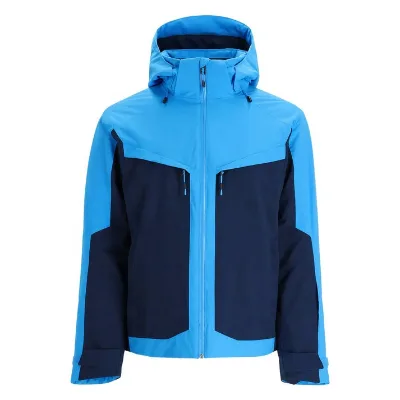
Find 30 options for a waterproof windproof breathable ski jacket designed for outdoor, winter, and mountain activities. Compare features like DWR treatment, ventilation, and pocket designs from verified manufacturers in China.
Key considerations
Products List






Comprehensive Sourcing Guide
Strategic Sourcing Guide for Waterproof Windproof Breathable Ski Jackets
The global demand for high-performance outerwear has intensified, particularly for ski jackets that must balance extreme weather protection with user comfort. For B2B procurement professionals, sourcing a waterproof, windproof, and breathable ski jacket requires a rigorous evaluation of material science, manufacturing processes, and supply chain reliability. The following guide outlines the critical technical specifications, compliance frameworks, and operational considerations necessary to secure a reliable supply of ski apparel that meets international quality standards.
Technical Specifications and Material Composition
The foundation of a high-performance ski jacket lies in its material composition and the engineering of its protective layers. Based on observed market data, the primary fabric composition for these garments often involves a blend of Nylon and Spandex, which provides the necessary elasticity and durability required for active winter sports. The fabric weight is a critical variable, with observed specifications ranging from 120 grams to 180 grams per square meter (GSM). A weight of 180 grams typically indicates a heavy-duty shell suitable for harsh alpine conditions, while lighter variants around 120-132 grams may be preferred for high-mobility activities or layering systems.
Waterproofing and breathability are the two most critical performance metrics. In the current supply landscape, high-confidence data points to a waterproof rating of 15,000mm, which signifies the jacket's ability to withstand water pressure before leakage occurs. Similarly, breathability ratings are observed at 15,000G/M²/24h, indicating the fabric's capacity to allow moisture vapor to escape, preventing internal condensation. These figures are not universal; buyers must verify that specific suppliers can consistently meet or exceed these thresholds through independent testing.
The construction of the jacket often includes a heat-reflective lining, designed to retain body heat without adding excessive bulk. The outer shell is frequently treated with a Pfc-Free DWR (Durable Water Repellent) finish, reflecting a growing industry shift toward eco-friendly chemical treatments. This treatment ensures that water beads up and rolls off the fabric surface, maintaining the jacket's breathability over time. Additionally, the fabric may feature a Rip-Stop weave, which prevents small tears from propagating, a vital feature for skiers navigating rough terrain.
Functional Design and Feature Integration
Beyond raw material properties, the functional design of the ski jacket dictates its utility in real-world scenarios. A comprehensive ski jacket must integrate specific features that address the unique challenges of snow sports. The presence of a fixed snow skirt is a standard requirement to prevent snow from entering the jacket during falls or deep powder skiing. Ventilation is equally critical; underarm zipper vents are commonly specified to allow for rapid heat regulation during high-exertion periods, such as ski touring or steep descents.
Pocket configuration is another area where specification varies significantly. High-quality models include dedicated ski pass pockets and goggle pockets, often located on the chest or sleeve for easy access without removing gloves. The zipper system is a critical component of the jacket's integrity; observed specifications highlight the use of SBS brand zippers, known for their reliability in cold conditions where standard zippers may freeze or jam.
The fit and sizing of the garment must accommodate a wide range of body types. Standard size ranges typically span from Small (S) to Extra Extra Large (XXL), with options for plus-size customization available from many manufacturers. The clothing length is generally categorized as "Regular," ensuring adequate coverage over the hips while allowing for freedom of movement. Seasonal suitability is another key factor; while these jackets are optimized for winter, some designs are versatile enough for Spring and Autumn use, offering windproof and waterproof protection against variable weather patterns.
Compliance, Certification, and Quality Standards
Navigating the regulatory landscape is essential for B2B buyers importing ski jackets. While specific certification statuses vary by supplier, the industry standard for woven fabrics often references ISO compliance. Buyers should explicitly request proof of certification for the composite category of woven cloth and fabrics, ensuring that the materials used meet international safety and quality benchmarks.
Environmental compliance is increasingly a prerequisite for modern procurement. The use of Pfc-Free DWR treatments is a strong indicator of a supplier's commitment to reducing per- and polyfluoroalkyl substances (PFAS), which are subject to strict regulations in many markets. Buyers must verify that the "Eco-Friendly" claims associated with the fabric are backed by third-party documentation. Furthermore, the fabric may be required to meet fire-retardant standards, particularly for commercial ski resort rentals or specific regional safety codes.
When evaluating suppliers, the "Composite Process" used to bond layers is a vital quality indicator. Hot melt dusting compound processes are observed in the supply chain, and buyers should confirm that the adhesive application is uniform and does not compromise the fabric's breathability. The standard for the finished product often includes specific weight tolerances, such as 132 grams or 180 grams, which serve as a proxy for material density and durability. Any deviation from these standards should trigger a quality audit.
Cost Drivers and Procurement Economics
Understanding the cost structure of ski jackets is crucial for budgeting and margin analysis. The price range for these products in the current market spans from approximately $6.99 to $106 USD, a wide variance that reflects differences in material quality, brand licensing, and feature complexity. Several factors drive these costs. First, the choice of fabric weight and composition (e.g., Nylon/Spandex blends vs. pure polyester) significantly impacts the base material cost. Second, the integration of specialized features like heat-reflective linings, Pfc-Free DWR treatments, and branded zippers adds to the unit cost.
Minimum Order Quantities (MOQ) are another critical economic factor. Observed MOQ ranges from 2 to 1,000 units, offering flexibility for small startups while accommodating large volume orders. Buyers must negotiate based on their volume; higher volumes typically yield better unit pricing but require larger upfront capital. Lead times also influence cost, with production lead times generally ranging from 45 to 60 days. This duration includes material sourcing, cutting, sewing, and finishing. Sample times are shorter, typically 7-10 days, allowing buyers to validate quality before committing to full production.
Packaging and logistics costs should not be overlooked. Standard packing configurations often involve 1 piece per polybag and 10 pieces per carton, with carton dimensions typically around 60cm x 40cm x 40cm. The shipping method, often sea transportation for international orders, adds to the overall landed cost. Buyers should calculate the total cost of ownership, including freight, duties, and storage, rather than focusing solely on the FOB price.
Supplier Evaluation and Operational Due Diligence
Selecting the right supplier requires a multi-faceted evaluation process. The supply type is predominantly OEM (Original Equipment Manufacturer) and ODM (Original Design Manufacturer), with custom logo services widely available. This flexibility allows buyers to create private-label products that align with their brand identity. However, the capability to handle customization must be verified against the supplier's production capacity.
Key performance indicators for supplier evaluation include the consistency of their product models. The market features a diverse range of model numbers, such as 64001-02, 85185-2036, and CTC351, indicating a broad portfolio. Buyers should assess whether a supplier specializes in a specific niche or offers a generalist range. The origin of the products is consistently noted as China, a major manufacturing hub for textiles. Buyers should verify the specific factory location and audit their facilities to ensure compliance with labor standards and environmental regulations.
The service type, including OEM/ODM and custom logo capabilities, suggests a high degree of collaboration. Buyers should expect the supplier to provide technical support during the design phase, including feedback on fabric selection and pattern development. The ability to produce samples within 7-10 days is a strong indicator of operational efficiency. However, the long production lead time of 45-60 days requires careful inventory planning to avoid stockouts during peak ski seasons.
Quality Control and Long-Term Procurement Strategy
Implementing a robust quality control (QC) protocol is non-negotiable for ski jacket procurement. Given the critical nature of waterproofing and breathability, buyers should mandate pre-shipment inspections that test the 15,000mm waterproof rating and 15,000G/M²/24h breathability rating. Visual inspections should focus on stitching quality, zipper functionality, and the uniformity of the DWR treatment. The presence of a fixed snow skirt and underarm vents should be verified for proper installation and durability.
Long-term procurement strategies should focus on building a resilient supply chain. This involves diversifying suppliers to mitigate risks associated with geopolitical tensions or production disruptions. Buyers should also consider the lifecycle of the product; jackets with high-quality materials and durable construction will result in lower return rates and higher customer satisfaction. The "Common" type classification suggests a baseline standard, but buyers should aim for suppliers who can offer premium variations for different market segments.
Finally, the integration of technology and data into the procurement process can enhance decision-making. Tracking lead times, quality metrics, and cost fluctuations over time allows buyers to optimize their ordering cycles. By maintaining a clear understanding of the technical specifications, compliance requirements, and cost drivers, B2B buyers can secure a reliable supply of high-performance ski jackets that meet the demanding needs of the winter sports market.
Comparative Overview of Key Specifications
| Feature Category | Observed Specification | Verification Requirement |
|---|---|---|
| Waterproof Rating | 15,000mm | Independent lab test report |
| Breathability Rating | 15,000G/M²/24h | Moisture vapor transmission test |
| Material Composition | Nylon / Spandex or Polyester | Fabric composition certificate |
| Fabric Weight | 120g - 180g | Weight verification per square meter |
| DWR Treatment | Pfc-Free | Chemical safety data sheet |
| Zipper Brand | SBS | Brand authorization or sample check |
| Production Lead Time | 45-60 Days | Contractual agreement on timeline |
| Sample Time | 7-10 Days | Confirmation of sample availability |
| MOQ Range | 2 - 1,000 Units | Negotiated order terms |
| Packaging | 1 PC/Polybag, 10 PCS/Carton | Carton dimension verification (60x40x40cm) |
This table summarizes the critical data points observed in the market. Buyers should use these benchmarks as a baseline for their own specifications, ensuring that any supplier they engage can consistently deliver products that meet or exceed these standards. By adhering to these rigorous criteria, procurement professionals can mitigate risk and ensure the delivery of high-quality, performance-driven ski jackets.
FAQs
What material is used for the waterproof windproof breathable ski jacket?
The jacket is constructed from Polyester or a Nylon and Spandex blend. This composition provides the necessary durability and elasticity for active winter sports while maintaining the required waterproof and windproof properties.
How is the waterproof rating defined for these ski jackets?
The observed waterproof rating is 15,000mm, indicating the fabric can withstand significant water pressure before leakage occurs. This high rating ensures protection against heavy snow and rain during skiing activities.
Can buyers request custom logos on the ski jackets?
Yes, custom logo services are available through OEM and ODM service types. Buyers can work with manufacturers to apply their branding, with sample times typically ranging from 7 to 10 days before full production.
What is the minimum order quantity for these jackets?
The minimum order quantity ranges from 2 to 1000 units depending on the supplier and customization level. This flexibility allows both small startups and large volume buyers to source the jackets effectively.
Which features are included for ventilation and snow protection?
The jackets feature underarm zipper vents for heat regulation and a fixed snow skirt to prevent snow entry. Additional pockets include dedicated ski pass and goggle pockets for convenient access without removing gloves.
How long does production take for custom ski jackets?
The production lead time is typically 45 to 60 days after sample approval. This duration covers material sourcing, cutting, sewing, and finishing to ensure the high-quality standards required for winter sports apparel.
What certifications are associated with the woven fabric used?
The composite category of woven cloth and fabrics often references ISO compliance standards. Buyers should verify specific certification documents to ensure the materials meet international safety and quality benchmarks for the global market.